


Understanding the psychological triggers that drive gambling behavior
Understanding the psychological triggers that drive gambling behavior
The Allure of Risk and Reward
The thrill of gambling is often rooted in the psychological interplay of risk and reward. Individuals are naturally drawn to the excitement of potentially winning large sums of money, which triggers the brain’s reward system. This dopamine release creates a sense of pleasure and can lead to repetitive gambling behavior. The anticipation of a win can be intoxicating; as many discover through Casea AU, making it difficult for some to resist the urge to gamble even when they are aware of the risks involved.
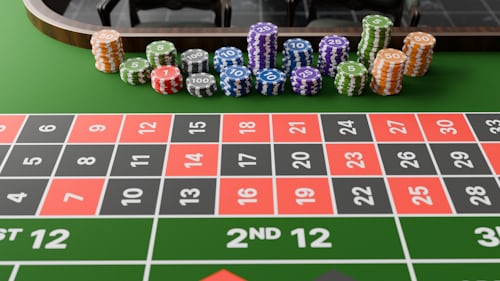
The unpredictability of outcomes also plays a significant role in gambling behavior. This uncertainty can heighten a person’s emotional investment, making wins feel more rewarding and losses more painful. As a result, individuals may continue to gamble in the hopes of recouping losses, creating a cycle that can be hard to break.
The Role of Cognitive Biases
Cognitive biases significantly influence gambling behavior. One common bias is the illusion of control, where individuals believe they can influence the outcome of a game through skill or strategy, despite the inherent randomness involved. This can lead to an overestimation of one’s abilities, further complicating their decision-making and increasing the likelihood of gambling.
Another bias, known as the gambler’s fallacy, suggests that past events can affect future outcomes. For instance, if a player has experienced several losses in a row, they may believe that a win is imminent. These biases can distort perception and encourage continued gambling, even when logical reasoning suggests otherwise.
The Social Aspects of Gambling
Gambling often serves as a social activity, drawing individuals into environments where camaraderie and shared experiences thrive. Social reinforcement can make gambling more appealing, as players may feel encouraged to participate due to peer influences or cultural norms. This social dimension can amplify the psychological triggers that drive gambling behavior.
Moreover, the presence of others can enhance the excitement of gambling. The collective emotions experienced during gaming can lead to a heightened sense of thrill, pushing individuals to engage in more gambling activities. This aspect of social gambling can further entrench behavior and make it difficult for individuals to recognize unhealthy patterns.
The Impact of Environment and Accessibility
The environment in which gambling occurs can significantly affect behavior. For example, brightly lit casinos with stimulating sounds and visuals create an immersive experience that encourages prolonged play. Such environments are designed to attract and keep players engaged, which can heighten the psychological triggers associated with gambling.
Accessibility also plays a crucial role in driving gambling behavior. With the rise of online casinos and mobile gaming, individuals can gamble anytime and anywhere, removing traditional barriers. This ease of access can exacerbate impulsive gambling behavior, leading to increased financial and emotional risks.

Discover the Excitement at Casea
For those intrigued by the world of gambling, Casea offers a thrilling platform that caters to various preferences. With over 200 games, including slots and table games, players can experience the excitement in a secure and user-friendly environment. The site is designed with state-of-the-art security features and responsible gaming tools to enhance user experience while promoting safer gambling practices.
Whether you are a seasoned player or new to the scene, Casea provides generous promotions and a welcoming bonus to help you get started. Visit Casea today to explore the extensive gaming options and immerse yourself in an exciting world of online gambling!

 powerhousegroup.net